What should urban footwear be capable of—to flexibly adapt to changing environmental conditions while still retaining the recognizable Camper brand language?
The project investigates what urban footwear could become if walking becomes the primary mode of transportation.

Every new generation of sneaker carries its own cultural code. I hypothesize that the next evolution—adaptivity—will be the ability of footwear to adjust to the context of use and the owner’s needs.
Why Camper?
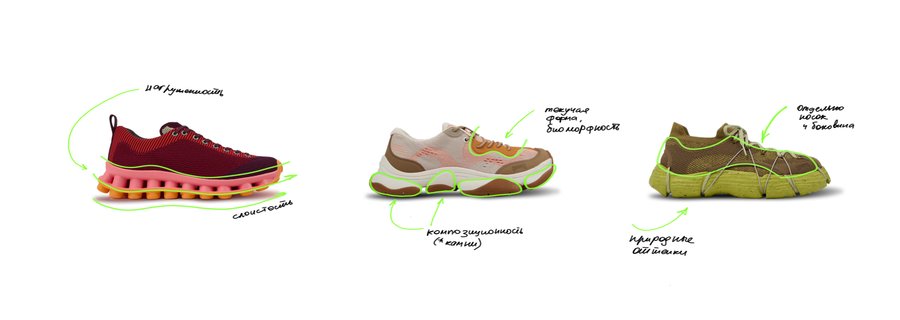
At the heart of the brand’s philosophy is the idea that a walk is not merely a means to an end, but a complete source of joy. Camper emphasizes playfulness and sustainability while never neglecting comfort.The brand’s visual language is built upon a natural palette and biomorphic design—this lively, organic aesthetic contrasts with the rigid geometry of the urban environment.
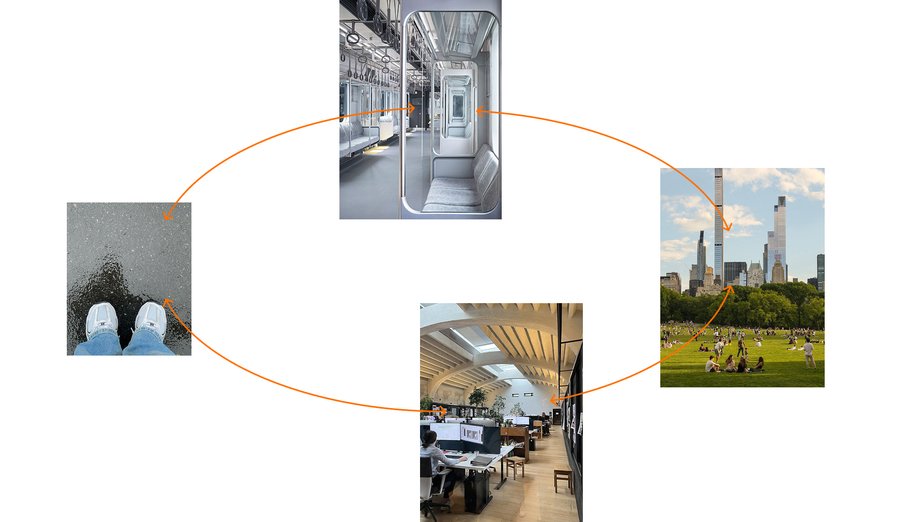
Problem — contemporary footwear remains static despite constantly changing usage conditions.
Throughout the day, an urban resident constantly changes microclimates: interior spaces, public transit, the street—each location possesses its own distinct temperature and humidity. Walking speed also influences the sensation experienced inside footwear.
Beetle — a source of inspiration for form-making
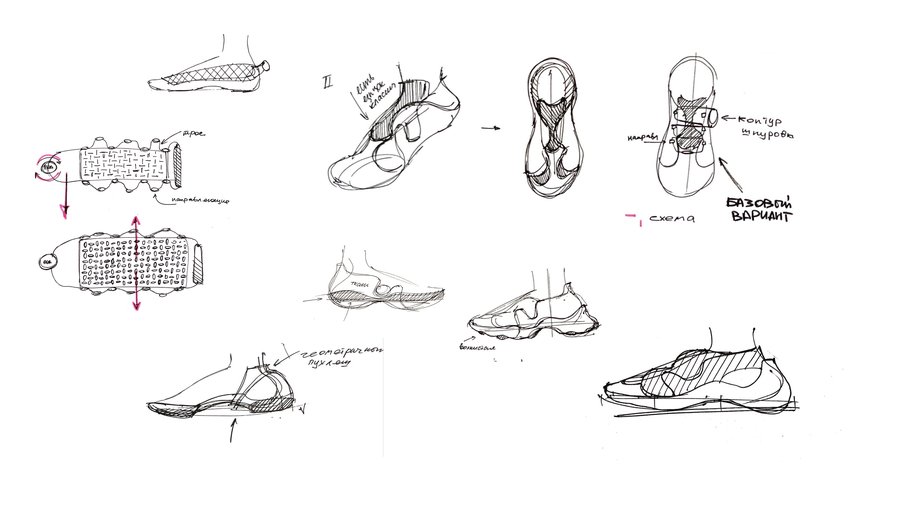
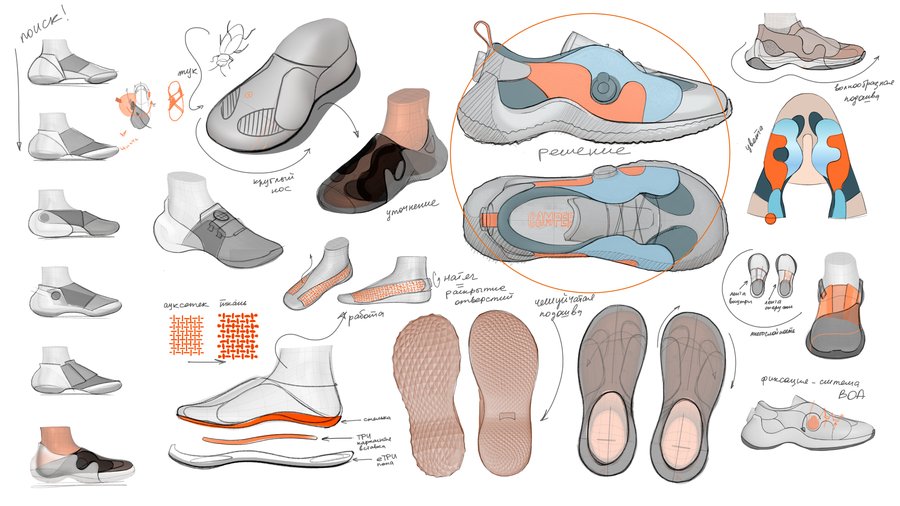
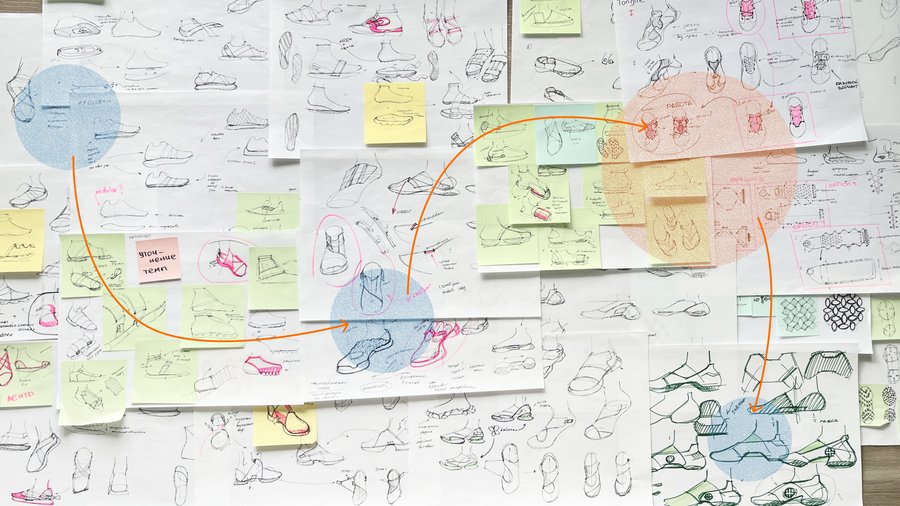
The sketching phase focused on selecting a technology that ensures adaptability—auxetic fabric. The result is a mechanically adjustable, multi-layered upper inspired by Camper.
Solution—user-controlled dynamic ventilation.
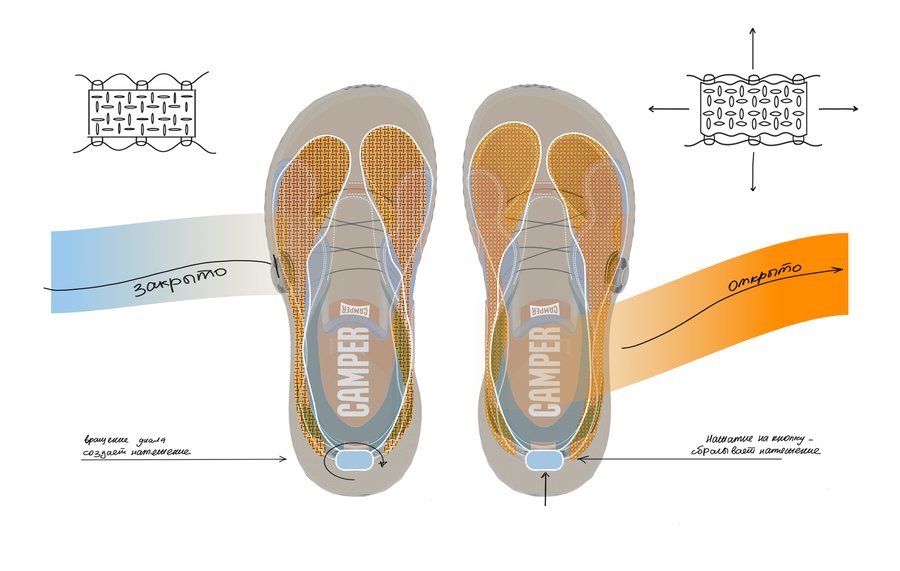
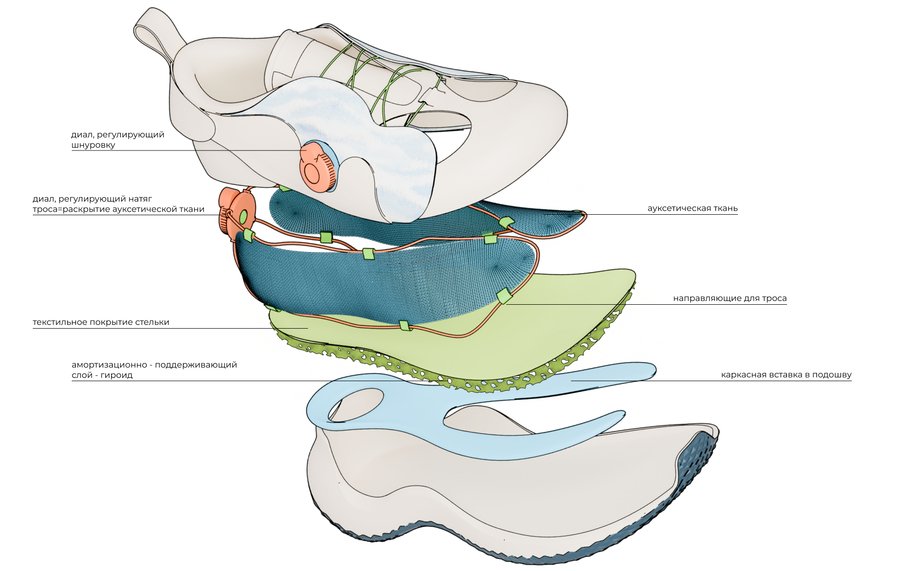
When the BOA dial on the back is turned, it tightens the cable and opens the structure of the auxetic material; the pores, which are about 0.5 mm, allow the foot to ventilate. Pressing the button in the center of the dial partially relieves the tension, while pulling it out completely loosens the cable and returns the material to its original state.
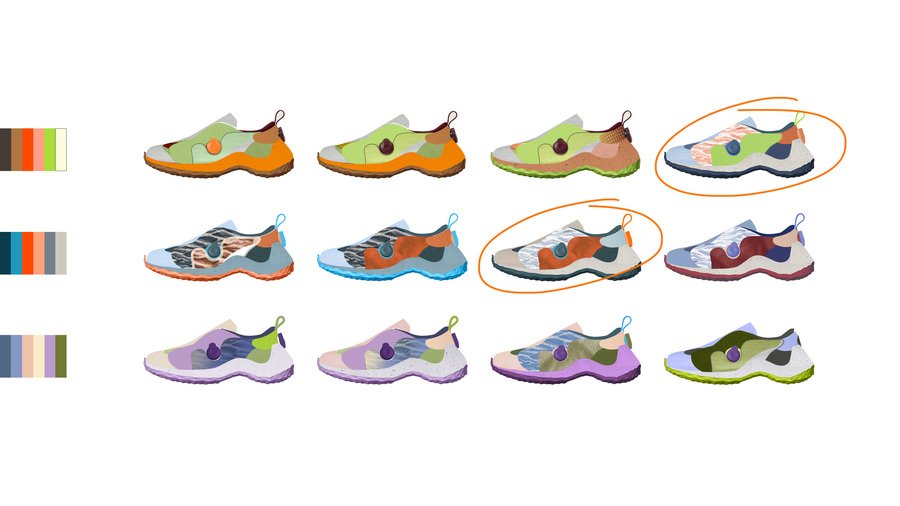
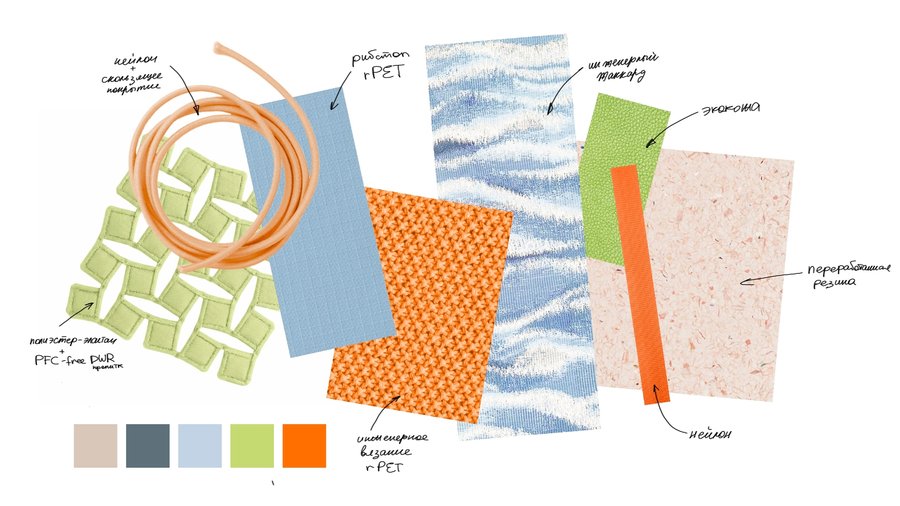
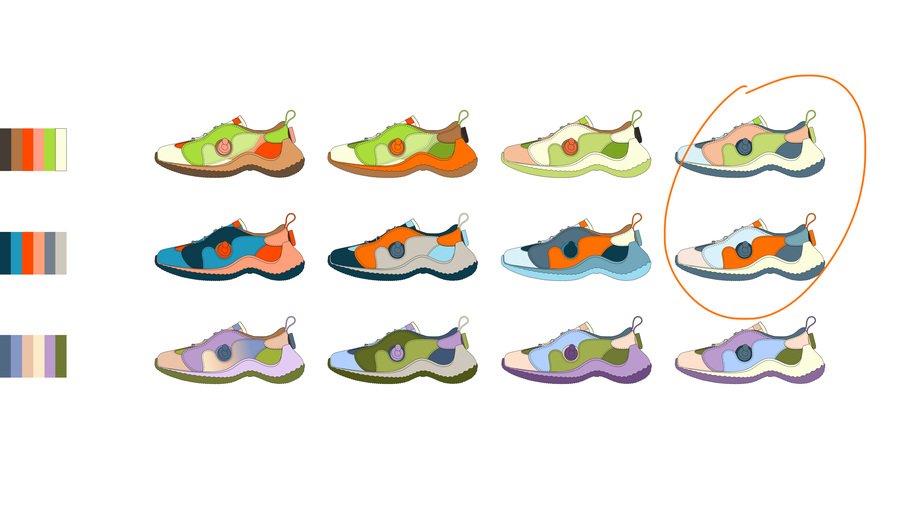
The final palette of open, natural hues and tactile materials collectively forms a friendly aesthetic for the model.
The most crucial aspect of shoe design is the last—ergonomic, with a wide toe box.
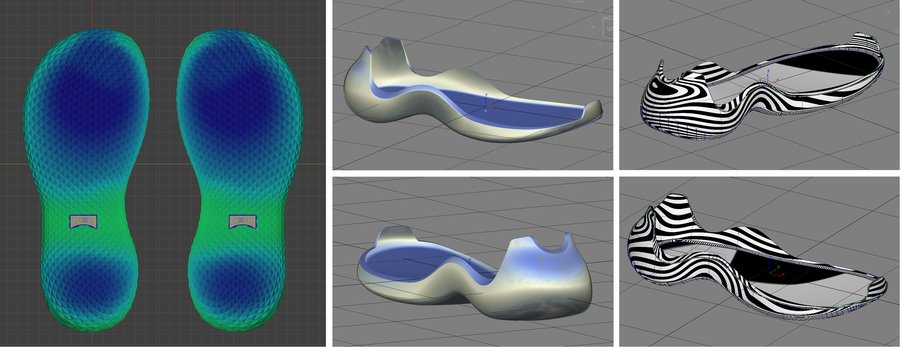
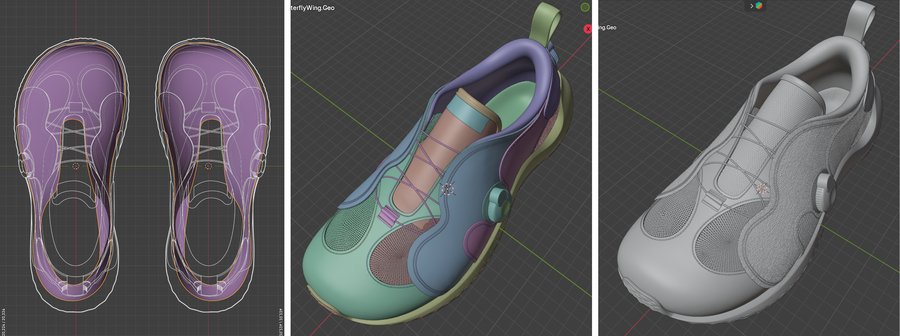
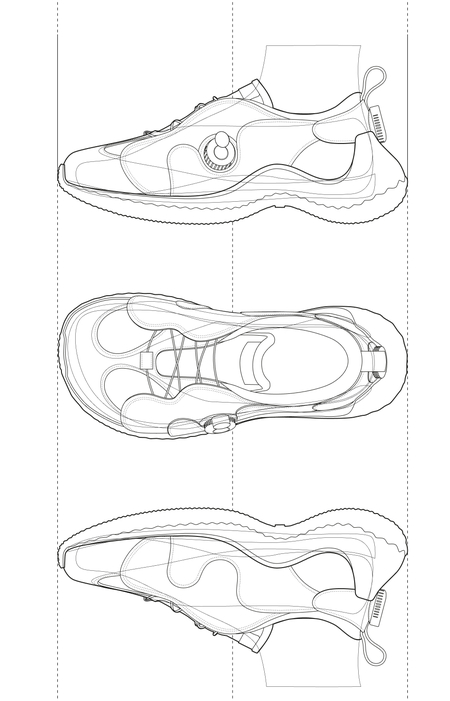
During 3D design, consideration needed to extend beyond just renders to include mock-up production: separately constructing the sole and upper, and developing the cutting pattern as a vector design.
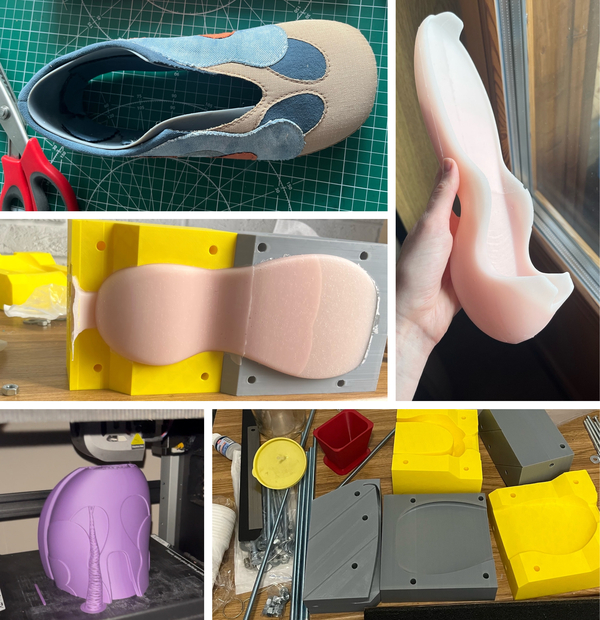
During the process, two prototypes were developed: a fully 3D-printed model and a composite sample featuring a textile upper and a silicone sole molded in-house.
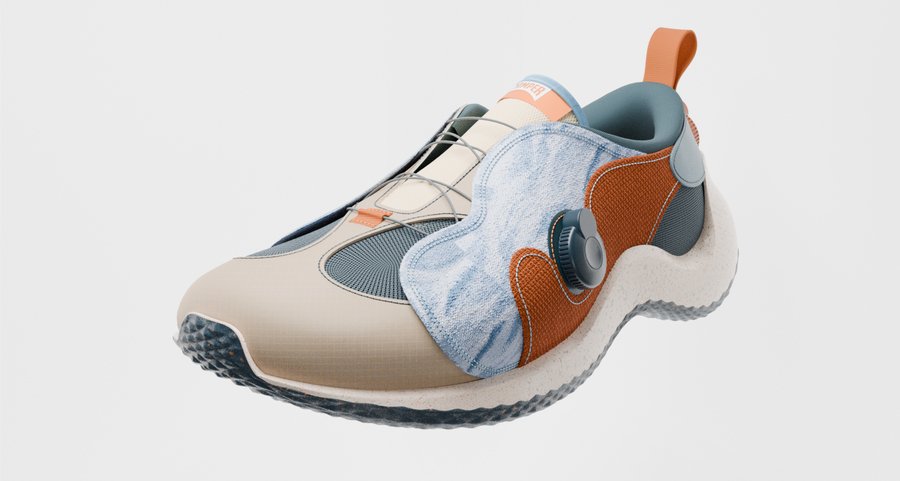
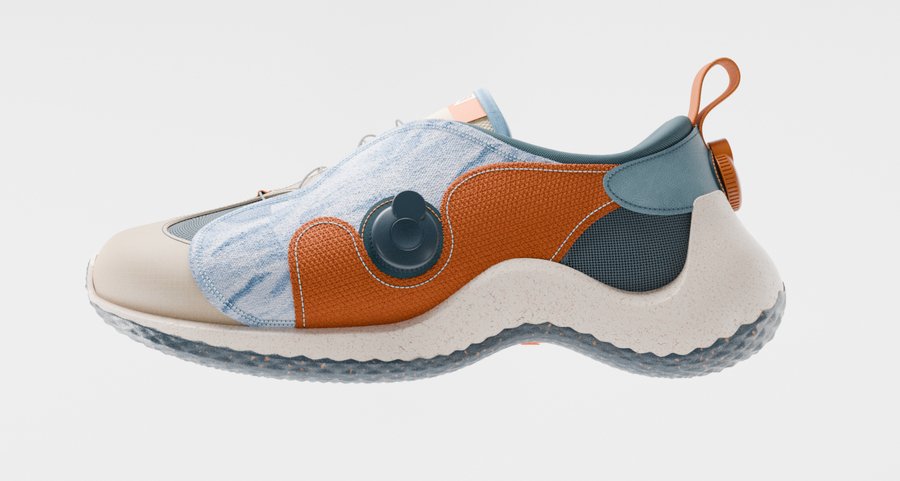
A concept for urban footwear where Camper’s visual language merges with mechanical adaptability, allowing the user to feel comfortable amidst the constantly changing conditions of the city.