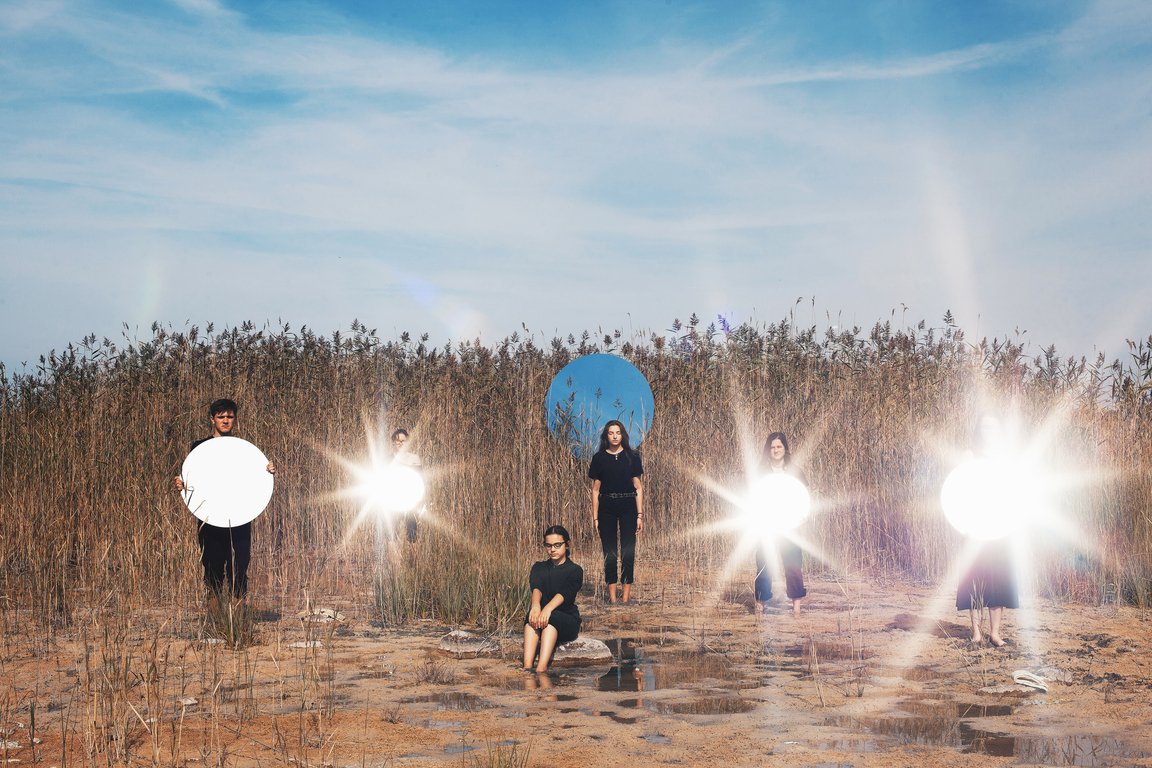
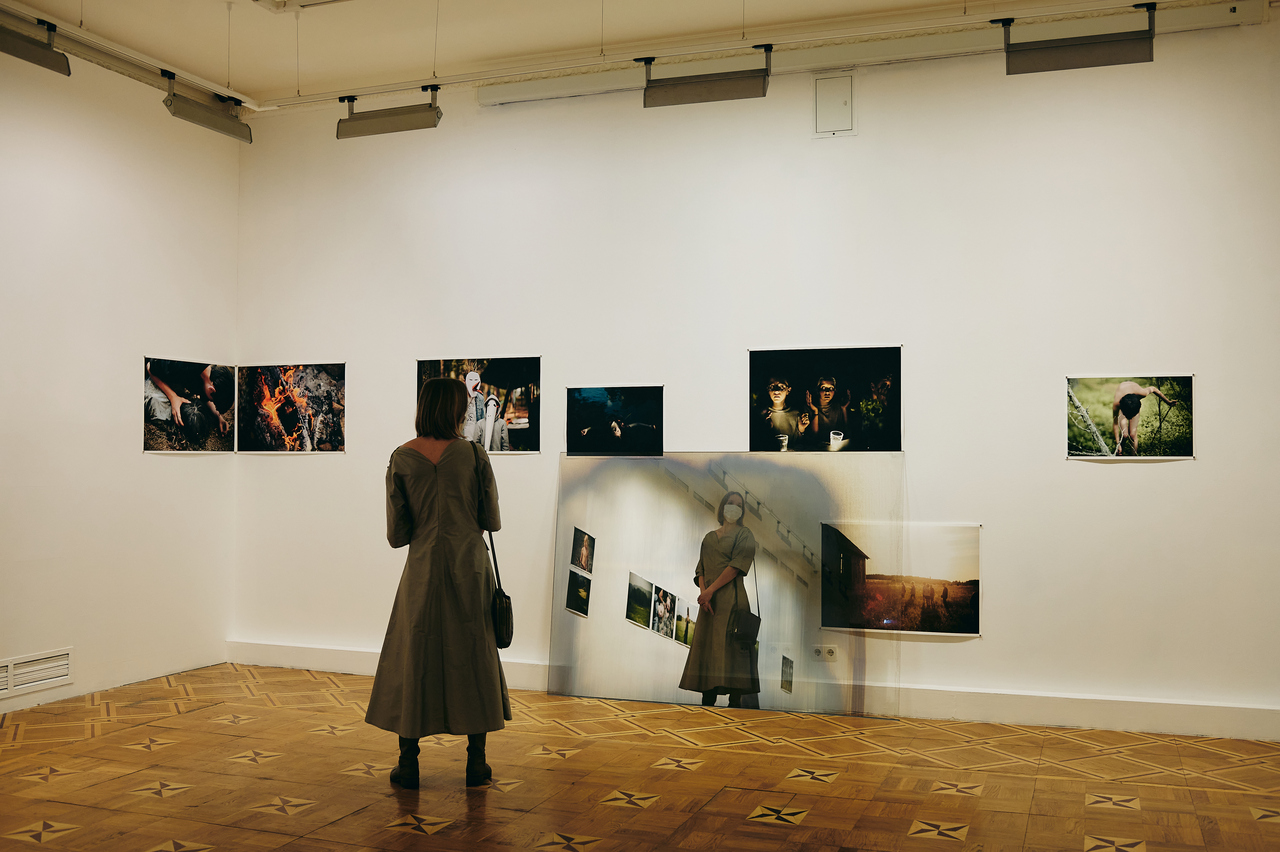
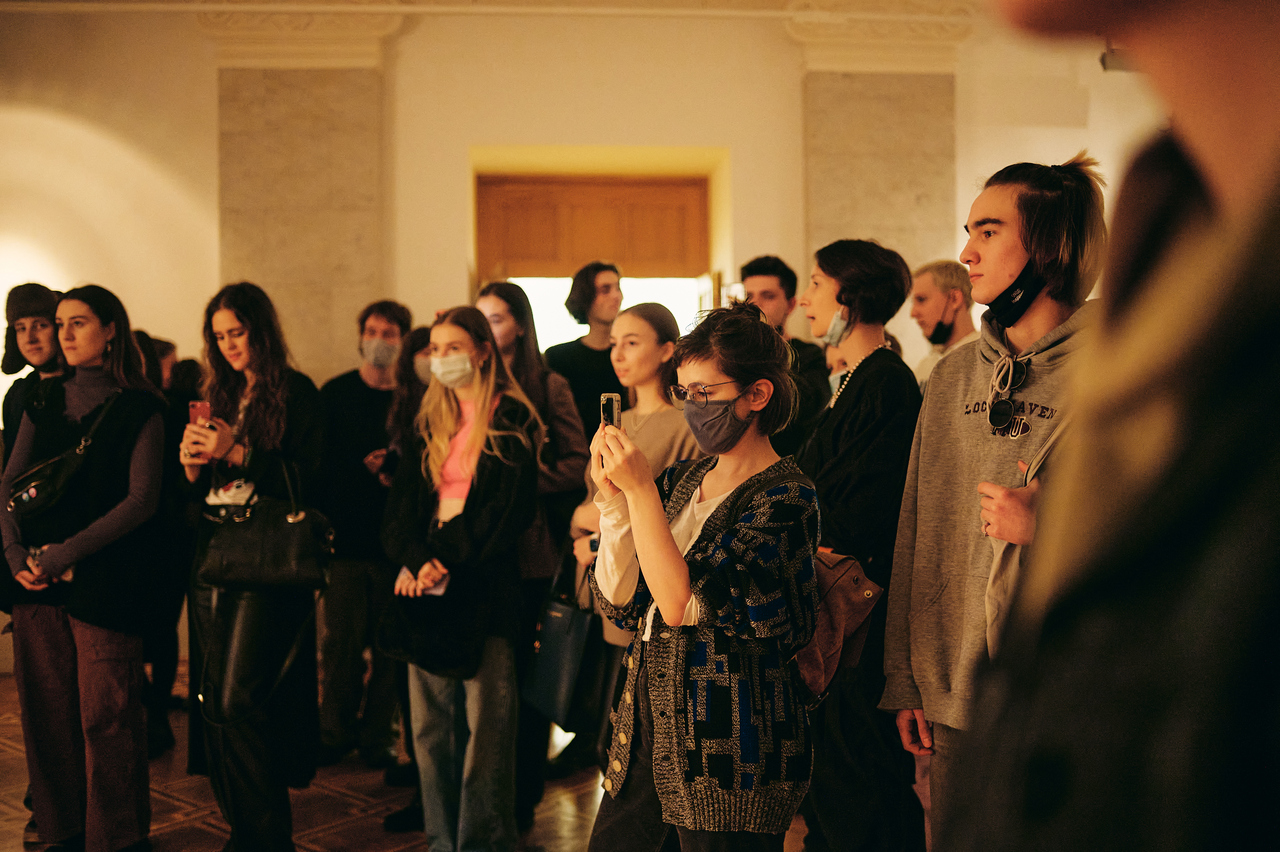
«And I dreamt that my heart didn’t hurt…» is a personal exhibition of photos by Xenia Plotnikov. She was shown in the Catherine Cultural Foundation from 19 January to 22 February 2022.
Memory is a desert that we have in our imagination. Leonid Tishkov
Photos for the project «I dreamt my heart didn’t hurt…» I was filming for ten years at Campa. I was initially stunned by a lot of things: the connection between humans and nature, the openness and vulnerability of all, the sense of the fragility of time and space, all of which I didn’t want to lose. And the most important thing I did was document the history of the camp. Documentarity is one of the key properties and at the same time one of the main paradoxes of photography. The photograph promises objectivity, but it doesn’t keep it. It’s meant to be a reminder, but in fact it replaces a memory over time, becomes an illusion that we believe in. The project gradually focused on memory, its properties and the role of photography in memory formation. List all the names, record all the stories, and don’t lose anything — that’s why I started taking pictures. Thousands of them. But can nothing really be lost? As we were working on the exhibition, I was increasingly convinced that by collecting images into a single stream, we were not saving, but erasing the past, replacing it with later images. We cover our memories with layers of new paint.
There are two portraits made at 12 years of age in the first exhibition room. This is a metaphorical travel framework that the exhibition offers an audience.
The scenery photos in the second room introduce the audience to Camp Camchatka and the people in it. When we look at rivers, fields, forests, and children in this environment, it’s like we’re falling into a lost fairy tale world — it’s a feeling of what children are going through in a camp — with experience going beyond themselves, joining people and the world around them. It was this experience that the author wanted to record at the beginning of the project, and the photograph became a form of documentation, memory preservation.
Mirage is an optical phenomenon in an atmosphere in which the distant seems close.
When we think about the connection between photography and memory, we can initially imagine this connection quite sentimental: the photo is a teleport that allows us to move quickly into the desired space and time. She, like a mirage, gives us the illusion of touching a distant, past, gone. The third room is an opportunity to look at photos differently. By looking into the mirror — a meaningful element of the hall’s display — and by chance seeing images in it, the viewer can sense the complexity of the connection between photos and memories.
The photograph promises objectivity and documentation, but it doesn’t keep it.
The fourth room exhibition is about documenting the photo as a medium. We have mentioned earlier that at first glance a photograph may be perceived by a human being as a way to return to the past, to restore it in every detail. Is that just how this connection works? The Doctor of Psychological Science, Veronica Nurkov, notes that «as opposed to physical objects, memories do not have a clear form. These aren’t canned cans where the experience is safely sealed. Moreover, many of the same brain processes are involved in memory and imagination.» In the fourth room of the exhibition, there’s a lot of different sizes of photos, and they look like a file of events, faces, images. In the centre of the hall is a table with objects (bills, notes, scripts, etc.) from the camp. These things help you find the skeleton of memories, its foundation. But the thin system collapses in front of the eyes, there are too many photos, and instead of forming into a complete narrative, they twist into a vortex of images and perhaps finally replace the original memories.